5 min read
Cruise Tips
Do You Need a Passport for a Cruise? Closed-Loop Rules, the Exceptions, and Why I Say Bring One
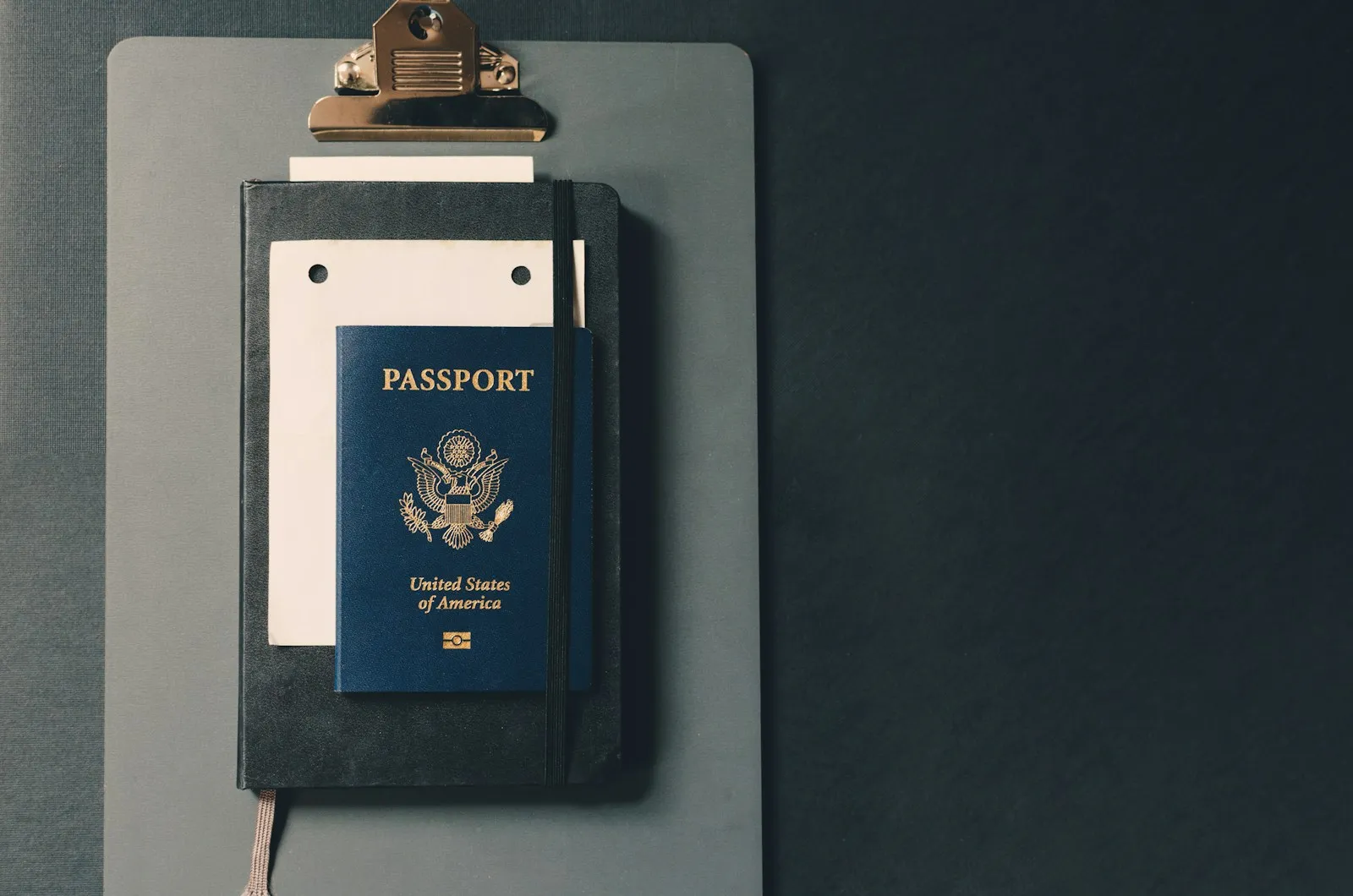
Most Caribbean, Bahamas, Mexico, and Alaska cruises that start and end at the same US port can be sailed with a birth certificate and a driver's license. That is the rule, and it is true. I still tell every client to bring a passport, and this post explains both halves of that.
What a closed-loop cruise is
A closed-loop cruise begins and ends at the same US port: Miami to Miami, Galveston to Galveston, Seattle to Seattle. US Customs and Border Protection says US citizens on those sailings "are able to enter the United States with a birth certificate and government-issued photo ID." Children under 16 need only the birth certificate.
The birth certificate has to be the real thing. Customs accepts an original or certified copy. The cruise lines are stricter than Customs: Norwegian and Carnival reject photocopies, photos on a phone, hospital "certificate of live birth" souvenirs, and digital IDs. Disney does not accept Global Entry cards or Social Security cards as proof of anything. If the document in your drawer was printed by the hospital rather than the county or state, order a certified copy now; it takes weeks in some states.
A cruise that starts in one port and ends in another (Vancouver to Seward in Alaska, a Panama Canal crossing, a transatlantic repositioning) is not closed-loop and requires a passport book on every line.
Where the birth certificate is not enough
The closed-loop rule is a US re-entry rule. The country you visit has its own rules, and Customs says so on the same page: "you may still be required to present a passport to enter the countries your cruise ship is visiting."
In practice, here is how the common ports break down as of September 2026:
Mexico (Cozumel, Costa Maya, Cabo, Puerto Vallarta) accepts the birth certificate and ID for closed-loop cruise passengers. The Cayman Islands accept photo ID plus a certified birth certificate. Puerto Rico and the US Virgin Islands are US territories, so no passport is needed at all. Canada accepts a birth certificate and photo ID for arrival by water, which covers Victoria and Vancouver port stops on Alaska cruises.
The Dominican Republic is the trap. The State Department warns that cruise passengers who get off the ship without a passport valid for six months pay a "daily migration escort service fee" of about $125. Honduras (Roatán) wants six months of validity. Turks and Caicos wants three. Jamaica's tourism board says US visitors must present a valid passport, while the State Department says a cruise passenger may use another accepted document; I treat that as a passport port. Bermuda requires a passport on MSC, and its immigration office lists no exception for cruise passengers on any line.
Panama, Colombia, and Martinique require a passport book on Royal Caribbean, Celebrity, Norwegian, and MSC. On Carnival, passport-card holders stay on the ship in Panama and Martinique.
What the cruise lines themselves say
No major line requires a passport on every sailing, and every one of them recommends it.
Royal Caribbean and Celebrity accept the birth certificate and ID on closed-loop cruises and "strongly recommend" a passport valid six months past the end of the cruise. Carnival's wording is "except where it is a mandatory requirement, Carnival highly recommends that all guests travel with a passport book." Norwegian and Disney say the same. Princess is the strictest: a passport book is required on all international itineraries except select round trips from US ports, and Princess requires one for any minor traveling with only one adult.
The passport card is not a shortcut
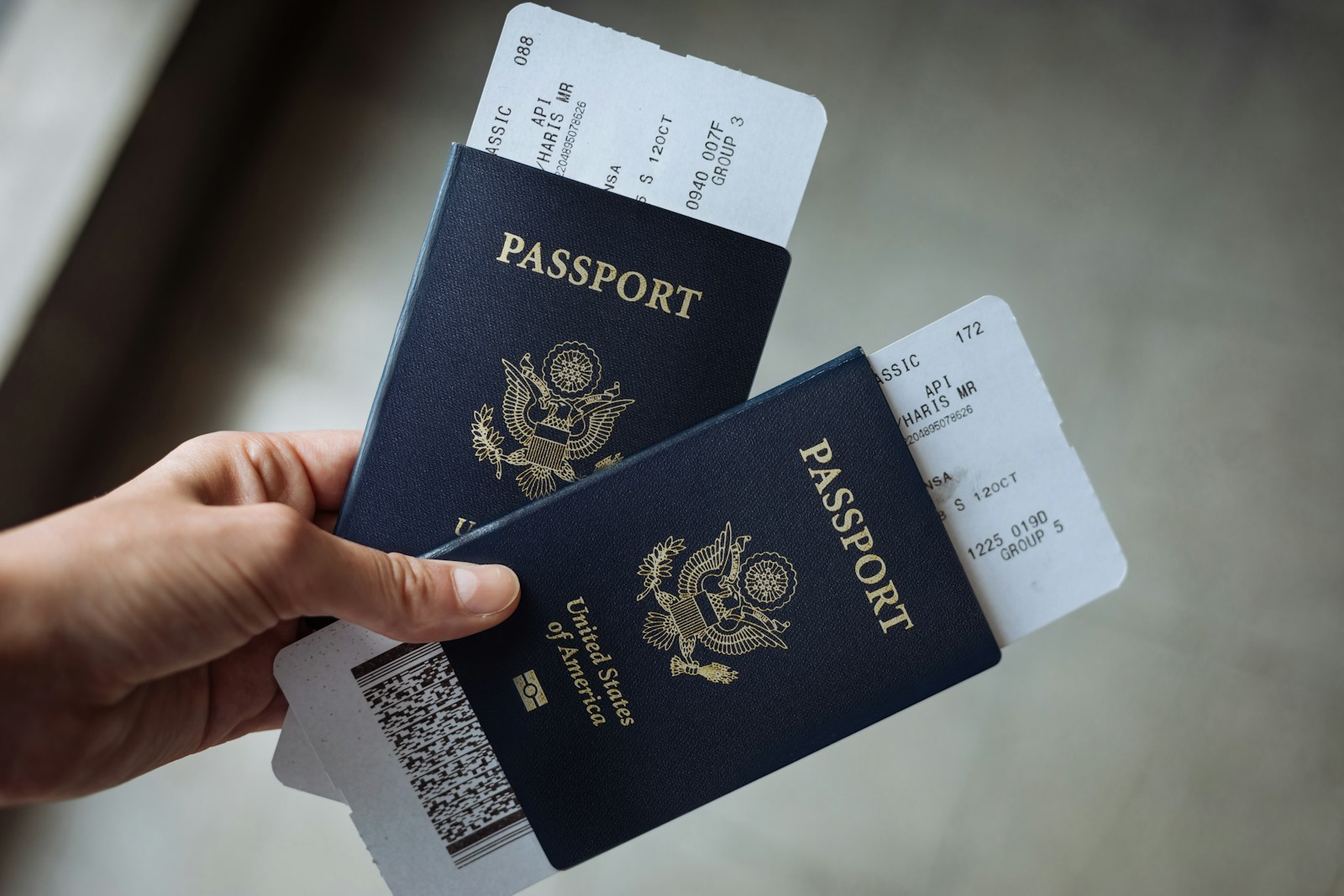
A passport card costs $30 plus the $35 acceptance fee and works for cruises, land crossings, and domestic flights. It is not valid for international air travel. That matters on the day something goes wrong: if you miss the ship in Cozumel or a family member is hospitalized in Nassau, you need a passport book to fly home. The State Department's own cruise page says it plainly: "You need to have a passport book to fly home on an international flight in an emergency."
Without a book, the fix is a trip to the nearest US embassy or consulate, in person, with a new application, a photo, and proof of citizenship, for an emergency passport that costs the same as a regular one. Nobody plans a vacation around a consulate.
Kids
Children under 16 can sail closed-loop with a birth certificate alone. If you decide to get them passports, know the rules: a child's passport is valid for five years, cannot be renewed (each one is a new in-person application), and both parents must appear or the absent parent must sign a notarized consent form dated within 90 days. The child's book is $100 plus $35, the card $15 plus $35.
If a child is sailing with one parent, a grandparent, or a friend's family, bring a notarized letter from the other parent regardless of documents. Princess requires a passport in that situation, and the others can ask.
Getting a passport in time
An adult passport book is $130 plus the $35 acceptance fee. Routine processing is four to six weeks, expedited is two to three weeks for $60 more, and mailing adds up to two weeks each way. If the cruise is inside 14 days, you can book an appointment at a passport agency. Renewing online is convenient but cannot be expedited.
For the flight to the port, REAL ID has been enforced since May 2025. Travelers without a compliant license or a passport now pay a $45 TSA fee for an identity check.
Why I say bring it anyway
A passport costs $165 and lasts ten years. The birth certificate route saves that money and adds three risks I have watched clients hit: a port that turns out to be stricter than the rule, a birth certificate the line will not accept at the pier, and an emergency that requires a flight home. Every one of those is worse than the $165.
If your cruise is booked and your documents are not, send me the sailing date and I will tell you exactly what each person in your cabin needs, port by port. My first-time cruise tips cover the rest of the checklist.
Sources

More Articles